2026-04-19
Most Bottled Water Contains Microplastics. Your Office Is Drinking It Daily.
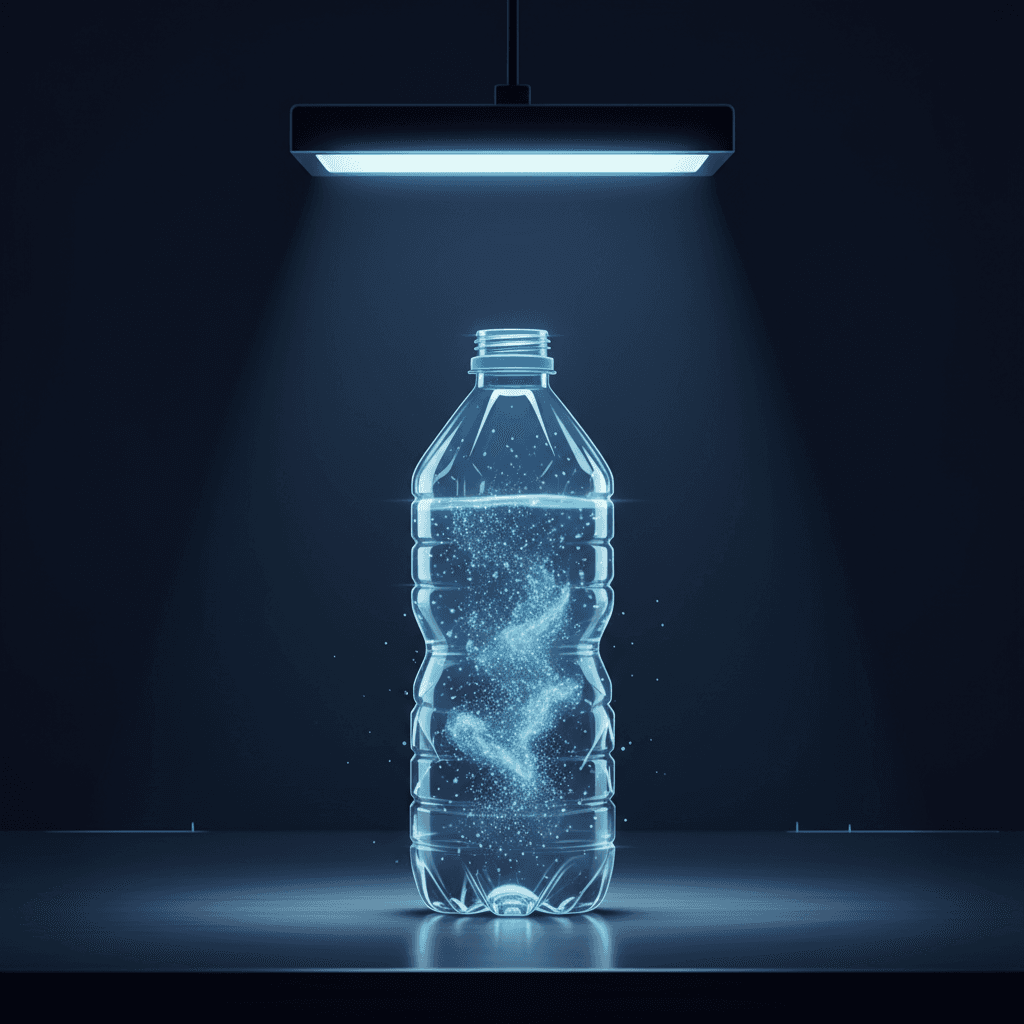
Your office probably bought hundreds of plastic water bottles this month.
Most of them contain microplastics.
I sell water systems. I'm biased. But the researchers who ran the numbers aren't: a 2018 study in Frontiers in Chemistry tested 259 bottles from 11 brands bought in nine countries, and 93% of them showed some sign of microplastic contamination.
Your "premium" office water isn't premium. It's plastic soup in a plastic bottle.
The Numbers Don't Lie
That study measured an average of 325 microplastic particles per litre, most of them between 6.5 and 100 micrometres across. The most common polymer found was polypropylene — the material bottle caps are made of. Your team drinks several bottles a day.
Think about it. Every sip contains invisible plastic fragments smaller than a grain of sand. These particles come from the bottle itself, the cap, the manufacturing process. The same study ran one brand in both glass and plastic and found 204 particles per litre in the glass against 1,410 in the plastic — the packaging is a source.
And 2018 was the coarse count. A January 2024 paper in PNAS used a newer imaging method on three brands of bottled water and found roughly 240,000 plastic particles per litre, about 90% of them nanoplastics too small for the earlier work to see.
The plastic industry spent decades convincing us that bottled water is cleaner than tap. The data says otherwise.
Your Office Is Making It Worse
Most offices I visit have the same setup. Cases of plastic bottles stacked in break rooms. Employees grabbing multiple bottles per day. Empty bottles overflowing from recycling bins that rarely get properly recycled.
You're paying premium prices for contaminated water while creating mountains of plastic waste. And that's before the bottles sit in a hot delivery truck or a sunny break room.
Meanwhile, your tap water gets tested regularly by municipal systems. It's regulated. It's monitored. And the same research group's tap water survey (159 samples, 14 countries) averaged 5.45 particles per litre — about half the bottled figure — for water you're paying a fraction as much for.
What Actually Fixes This
Stop buying cases of plastic bottles. Install a real filtration system.
I'm not talking about those cheap pitcher filters that barely remove chlorine taste. I mean commercial-grade systems that treat water at the point of use — and if microplastics are the worry, look for an NSF/ANSI 401 microplastics reduction claim, which requires 85% removal of particles in the 0.5–1 micron range. No plastic bottles. No cap shedding into your cup. No cases to haul around.
The math is simple. A good filtration system pays for itself in months compared to bottled water costs. Your team gets cleaner water without the plastic contamination. Your office stops generating hundreds of plastic bottles per month.
You can keep pretending bottled water is premium, or you can look at the actual data. High contamination rates aren't premium — it's a problem masquerading as a solution.
The Real Choice
Your office has two options. Keep buying plastic bottles with microplastic contamination at premium prices. Or switch to a system that delivers cleaner water without the plastic.
To be fair about what the science says: the WHO's 2019 review concluded that microplastics in drinking water "don't appear to pose a health risk at current levels", based on limited data, and called for more research. Nobody is telling you bottled water will hurt you. What the research does show is that bottled water isn't the clean solution the industry marketed for decades — you're paying more for more plastic.
Your team deserves better than plastic soup in plastic bottles. The science says so.
If your office is in Wisconsin: I cover the Madison area for Bottleless Nation. I'll test what's coming out of your tap and show you the numbers before you decide anything — see bottleless water coolers in Madison or get in touch.