2026-04-11
EPA Just Lowered Lead Limits. Your Office Water System Wasn't Built for This.
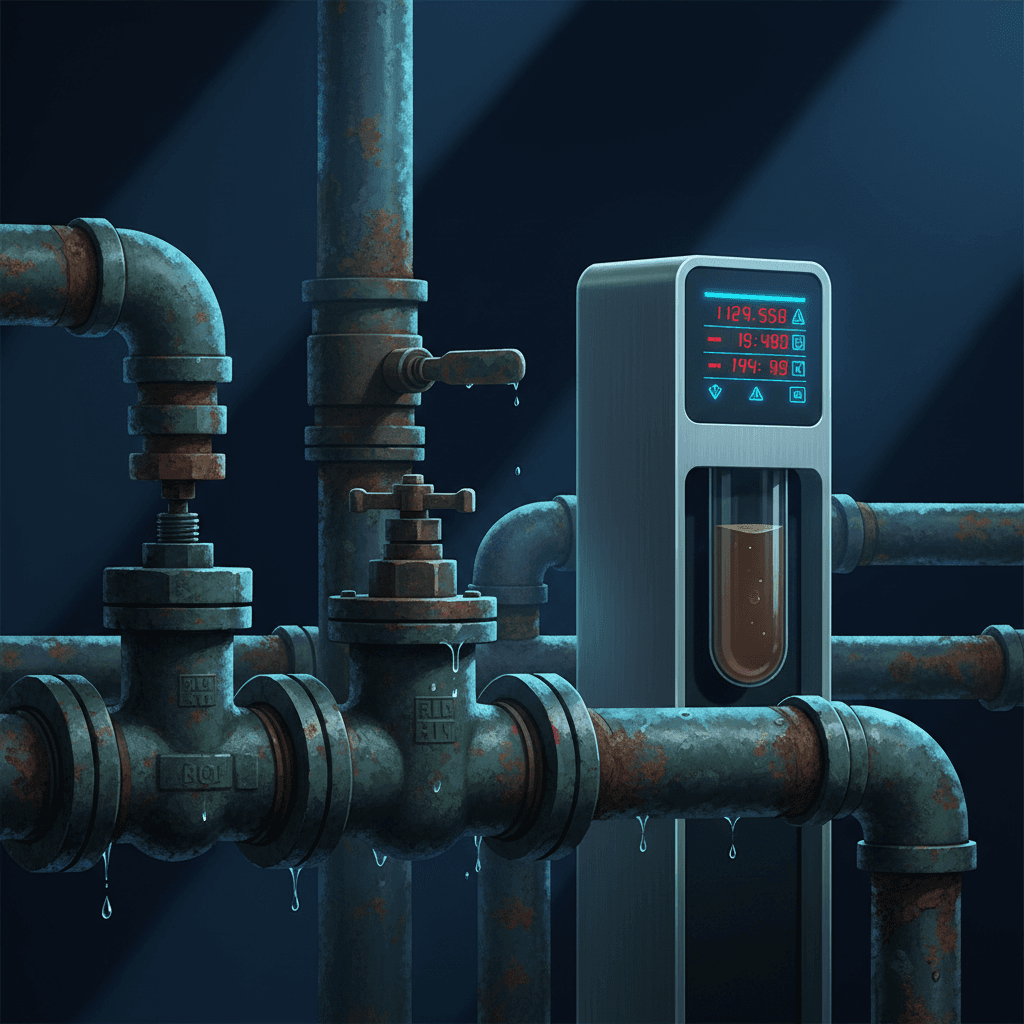
The EPA just made your office water problem worse.
In the final Lead and Copper Rule Improvements, issued October 8, 2024, EPA lowered the lead action level from 15 µg/L to 10 µg/L (a microgram per liter is a part per billion). That's a 33% drop. Sounds small. It's not.
One thing to be clear about: the action level is a number for public water systems, not for your building. Utilities have until November 1, 2027 to comply. Nobody is going to test your breakroom tap against it. That is exactly the problem: the rule stops at the meter, and most office buildings weren't designed with these numbers in mind.
Your Building's Lead Problem
I sell water systems, so I spend my days in office breakrooms. What I see: buildings from the 1980s and 1990s with original plumbing that nobody has thought about since it was installed.
The problem isn't your city water. It's the pipes between the street and your coffee maker.
Lead solder. Brass fittings. Old fixtures. EPA's own guidance is that lead enters drinking water primarily through plumbing materials, and the leaching is worst in water that sits overnight or over a weekend. First draw Monday morning? That's when lead levels can spike. (The 1986 Safe Drinking Water Act amendments capped solder at 0.2% lead, so the older the building, the more of the old kind there is.)
Why Lower Lead Limits Matter
The Safe Drinking Water Act requires EPA to set national drinking water standards that protect public health. They regulate dozens of different contaminants.
But lead is different. EPA's position is that there is no safe level of lead exposure. That's why the limit keeps dropping.
Your team drinks multiple glasses of water per day at work. Small amounts of lead add up over months and years. Cognitive function can suffer. Focus may decline. You don't notice it happening.
Many Offices Struggle to Comply
Buildings that would have passed a lead test years ago may not pass one judged against the new number. Same pipes. Same water. Different yardstick.
Property managers are scrambling. Full plumbing replacements can be expensive depending on building size. Most landlords won't do it unless forced.
So offices may be stuck with non-compliant water systems.
Standards Keep Getting Stricter
The Safe Drinking Water Act requires EPA to review every drinking water standard at least every six years. The direction on lead has only ever been one way.
Whether the limit drops again is anyone's guess; the American Water Works Association petitioned the D.C. Circuit in December 2024 to review the rule, arguing the pipe-replacement timeline is not feasible, and the rule stays in force while that plays out. But a lower number, not a higher one, is the only direction it has ever moved.
Your older office building plumbing may not keep up with evolving health standards.
What Actually Works
A bottleless water system does not bypass your plumbing, but it filters at the last inch of it. It connects to the building's water line and treats the water at the point of use, after every length of old solder and every brass fitting between the meter and the breakroom. Ask for the NSF/ANSI 53 lead-reduction listing on the filter; that is the certification that covers it.
I install these systems because they take the building's plumbing out of the question. Whatever number EPA sets next, the water you drink is filtered after the pipes, not before.
Property managers like them because the water quality question moves from the building to a filter with a certification on it. HR departments appreciate them because it is one workplace health risk they can actually cross off.
The Real Cost of Doing Nothing
If your building is old enough, your team may be drinking some lead right now. Not a lot. But some, and there is no level EPA calls safe.
A good water system is a small line item per employee next to that.
The health risk is real. The new EPA standards aren't going away.
Your office water system was built for yesterday's regulations. Today's standards may demand better.