2026-04-04
PFAS Rules Are Finally Here. Your Office Water System Isn't Ready.
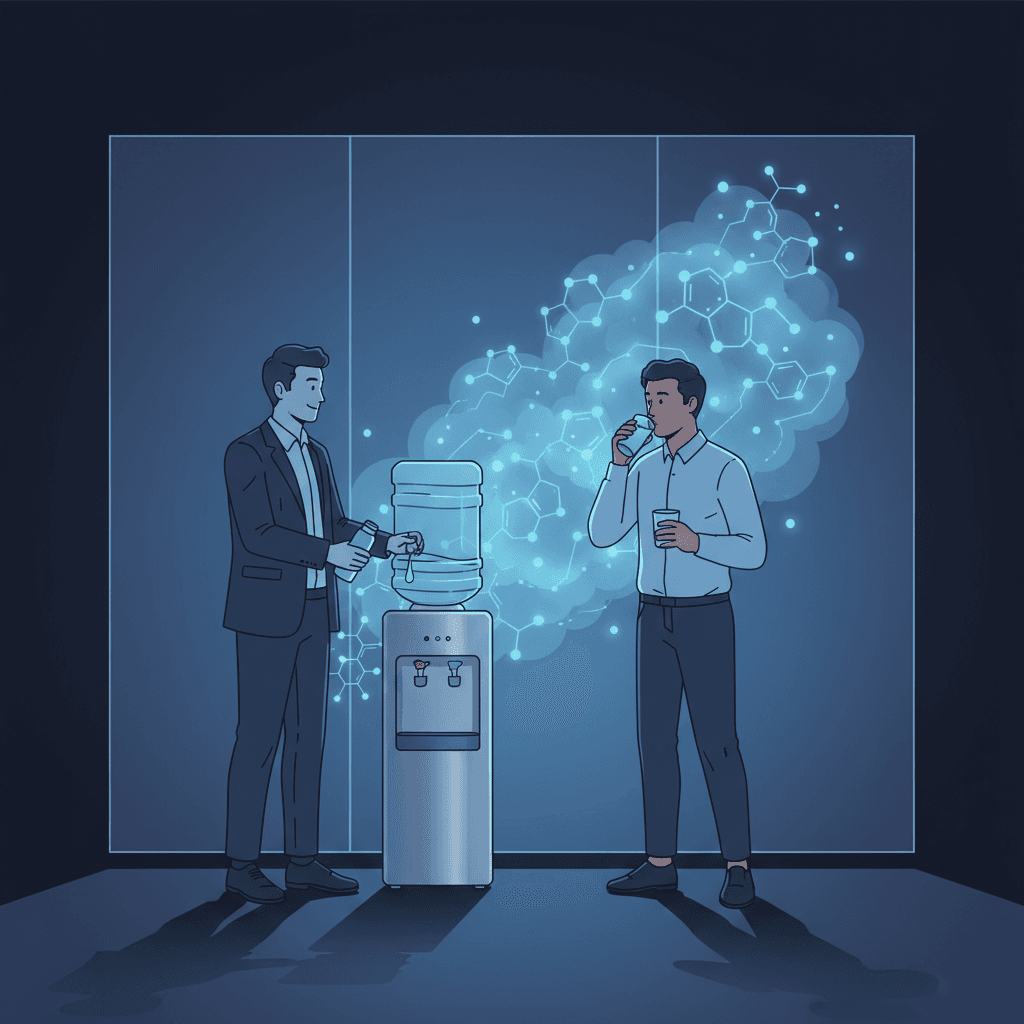
The EPA finalized new PFAS drinking water standards in April 2024. Water systems have until 2029 to comply.
That's five years to figure out how to filter out "forever chemicals" that have been accumulating in water supplies for decades.
I sell water systems. So yeah, I'm biased. But I'm also watching businesses scramble to understand what these regulations mean for their offices.
What Changed
EPA finalized the first-ever national drinking water standards for PFAS compounds on April 10, 2024. The rule covers six chemicals: PFOA and PFOS at 4.0 parts per trillion each, PFHxS, PFNA and GenX at 10 ppt each, and a hazard index for mixtures of those three plus PFBS.
Four parts per trillion is an incredibly small amount — EPA's 2016 health advisory had been 70 ppt for PFOA and PFOS combined.
Public water systems have to monitor for these chemicals and treat the water if levels exceed the standards. The compliance deadline was set at 2029. Update, September 2026: since then the rule has been partly reopened. In May 2026 EPA proposed a path for systems to request until 2031 and proposed rescinding the PFHxS, PFNA, GenX and mixture limits. The PFOA and PFOS numbers are the part nobody has proposed touching.
Your Office Water Problem
Most offices get their water from municipal supplies. Those systems will need to comply with the new PFAS rules. But compliance doesn't mean PFAS-free water at your tap.
It means meeting minimum federal standards.
Here's what I see in the field: businesses assume their municipal water is "safe" because it meets regulations. But regulations set floors, not ceilings. Meeting the standard isn't the same as providing the cleanest possible water.
PFAS contamination isn't evenly distributed. Some areas have higher concentrations than others. Some treatment facilities will do better at removing these chemicals than others.
The Technology Gap
Most standard office water systems aren't designed to remove PFAS. Basic filtration might catch sediment and improve taste, but PFAS molecules are tiny and persistent.
Activated carbon can remove some PFAS compounds, but not all of them equally. Reverse osmosis is more effective but requires more sophisticated equipment. Madison's own answer at Well 15 — shut down over PFAS in 2019, back online in September 2025 — was a hybrid of granular activated carbon and ion exchange that the utility reports removes all measurable PFAS.
Point-of-use systems — the kind that filter water right where you drink it — give you more control over what comes out of your tap. You're not relying solely on whatever treatment happened miles away at the municipal plant.
What Isn't Regulated Yet
Meanwhile, microplastics still aren't federally regulated in drinking water. EPA has them on their Contaminant Candidate List, but there are no mandatory limits yet.
So we're getting serious about PFAS while ignoring plastic particles that show up in water supplies worldwide. The regulatory process moves slowly. Science moves faster.
The 2029 Timeline
Five years sounds like a long time. It's not.
Water systems need to install new equipment, train operators, and figure out how to pay for upgrades. Some utilities will move faster than others. Some will wait until the last minute.
If your office relies on municipal water, you're along for that ride. If you control your own treatment system, you can act on your own timeline.
My Take
I spend my days talking to facilities managers about water quality. Most don't know about the new PFAS rules. Fewer understand what they mean for their buildings.
The smart move isn't waiting to see how your local water utility handles compliance. It's taking control of your water quality now, before you're forced to react to whatever solution gets implemented upstream.
PFAS contamination didn't happen overnight. The solution won't either. But at least we finally have regulations that acknowledge the problem exists.
That's progress. Slow, bureaucratic progress — but progress.