2026-09-05
The WHO Says Microplastics Aren't a Health Risk. I Sell Water Systems Anyway.
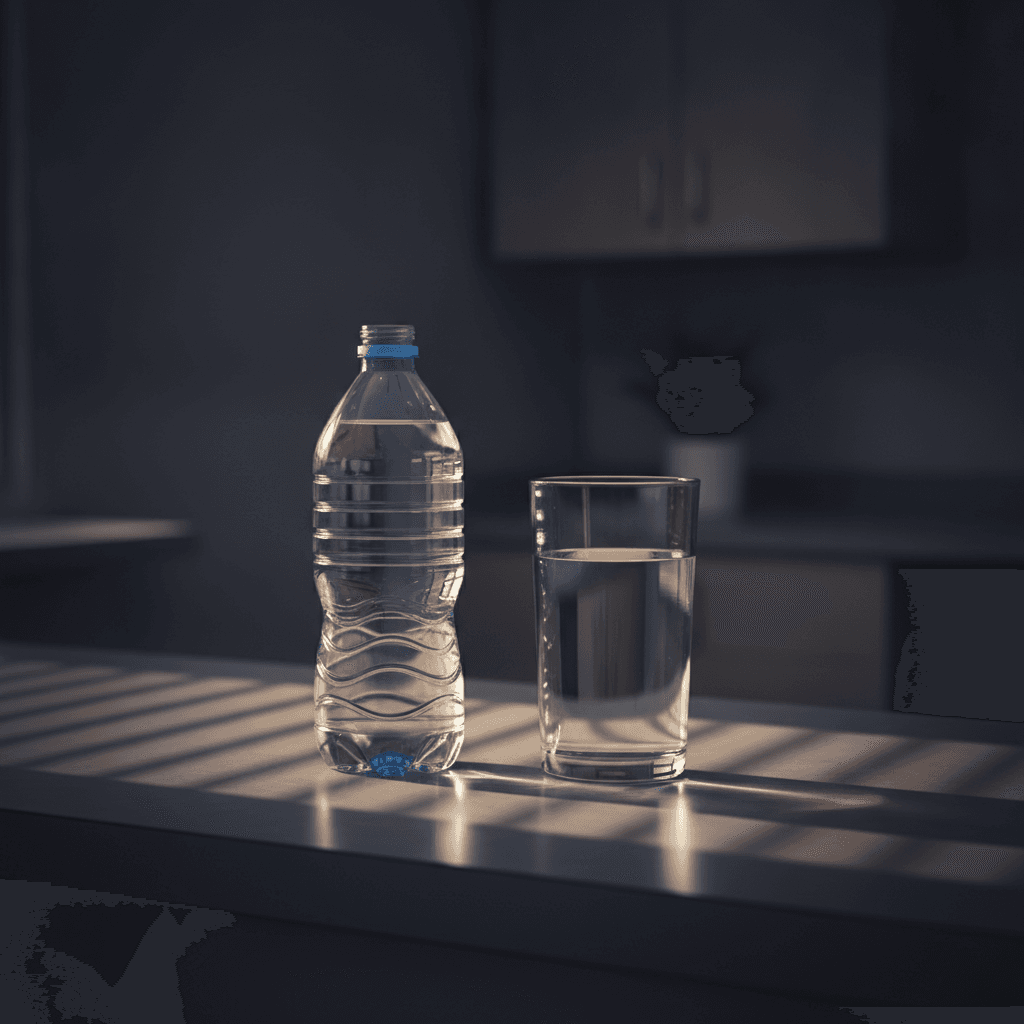
I sell bottleless water systems for a living. Say that out loud first, because the rest of this post cuts against my own sales pitch.
The World Health Organization looked at microplastics in drinking water and concluded that current evidence does not indicate a health risk at typical exposure levels. Not "we're unsure." Not "early signs are alarming." They looked at the available exposure data and said the risk, as far as anyone can currently measure it, isn't there.
That's the single most popular fear button in my industry, and a global health body pressed it and got nothing.
What WHO Actually Said
Two things, and most people only quote one.
First, no demonstrated health risk at typical exposure. Second, we need more research, better standardized testing methods, and a real crackdown on plastic pollution. WHO also noted that standardized testing methods are still lacking — meaning labs aren't all measuring the same thing the same way.
So the honest reading is: we don't have evidence of harm, and we also don't have great tools to look. Those are different statements. Salespeople collapse them into "microplastics are poisoning your team." That's not what the document says.
I'm not going to sit in a breakroom and tell you a bottle of water is hurting your body when the WHO says otherwise. I'd rather be trusted in three years than closed this week.
The Case That Doesn't Need Fear
Here's what I actually walk in with.
PFAS is regulated. Microplastics aren't. In April 2024, EPA finalized the first-ever national drinking water rule for PFAS, setting enforceable limits of 4.0 parts per trillion for PFOA and PFOS and addressing several other compounds. Parts per trillion. That's a legal ceiling with a compliance schedule behind it, not a vibe — though the specifics and timelines have been revisited since the rule was issued, so check EPA for the current status before quoting anything. And USGS testing detected at least one PFAS compound in roughly 45% of tap water samples in a national study. Meanwhile, public water systems have been collecting occurrence data on PFAS compounds under UCMR 5. If you want a real water-quality conversation, that's the one with numbers attached.
The plastic problem is a waste problem, not a health problem. The U.S. recycling rate for plastics in municipal solid waste is low — under 10% overall, with PET bottles and jars higher but still a minority of what's produced. The rest is landfilled or burned. Your breakroom case of bottles isn't sneaking particles into anyone's bloodstream — it's going into the ground. That's a sustainability line item, and EPA's containers and packaging data puts plastic packaging among the larger waste categories. Own it as what it is.
Access beats scare tactics. Employers are already required to provide potable water for drinking under OSHA's sanitation standard. And even mild dehydration has been associated with reduced concentration and alertness in the hydration literature. People drink more water when good water is fifteen feet away instead of down a hallway behind a locked supply closet. That's not a health scare. That's logistics.
Why I'd Rather Lose the Talking Point
When my industry leans on microplastics, we borrow credibility we haven't earned. And when a buyer eventually reads the WHO statement — which takes about a minute — everything else I said gets discounted too.
I'd rather hand you the EPA PFAS hub and let you check the current rule status yourself. If the numbers in your building are fine, they're fine. Some offices genuinely don't need me.
The ones that do need me don't need to be scared into it.